 Medellín
Uncovering the myths surrounding casino gambling
The Misconception of Skill vs. Luck
One of the most pervasive myths about casino gambling is the belief that skill plays a significant role in all games. While it is true that certain games like poker benefit from strategic thinking and player skill, many games, such as slots and roulette, are based purely on chance. For those interested in trying their luck, online pokies can be an entertaining option, but the house edge ensures that the odds are always in favor of the casino, no matter how skilled a player may be. This misunderstanding can lead players to overestimate their chances of winning, which can have detrimental effects on their gambling behavior. Understanding this dynamic is crucial for anyone looking to engage in casino games responsibly.
Moreover, many gamblers believe that they can somehow ‘beat the system’ by employing specific strategies or betting systems. However, strategies that work in skill-based games do not translate into luck-based games. Players might think that tracking a winning streak or identifying patterns in random outcomes will yield rewards, but the reality is that these games are designed to be unpredictable. For instance, a player may believe that after a series of losses on a slot machine, they are due for a win, which is simply not the case. Recognizing the distinction between skill and luck is essential for a balanced approach to gambling.
In summary, while certain games give more room for player strategy, the fact remains that many gambling activities rely entirely on luck. This myth not only misleads players about their potential for success but also increases the risk of developing gambling-related issues as they chase unrealistic expectations. A responsible gambler understands the odds, knows how to enjoy casino games, and avoids being misled by misconceptions that could lead to problematic behaviors.
The Myth of Winning Streaks
Another common myth is the belief in winning streaks, also known as the gambler’s fallacy. People often think that after a series of losses, they are ‘due’ for a win. This line of thinking leads players to increase their bets, believing that fortune will soon favor them. However, every spin of a slot machine or roll of the dice is an independent event, meaning past outcomes do not influence future results. This misconception can result in significant financial loss, as players bet more in hopes of recouping their losses, believing they are on the verge of a lucky streak.
Winning streaks often feel real due to confirmation bias, where players focus on instances that support their beliefs while ignoring the contrary outcomes. Casinos leverage this psychology by offering promotions and bonuses that encourage players to continue wagering, often leading them to believe they are on the verge of a winning streak. This cycle can be detrimental, as it encourages players to gamble more than they might otherwise, leading to higher losses. Understanding the randomness of these games is crucial to developing a healthier relationship with gambling.
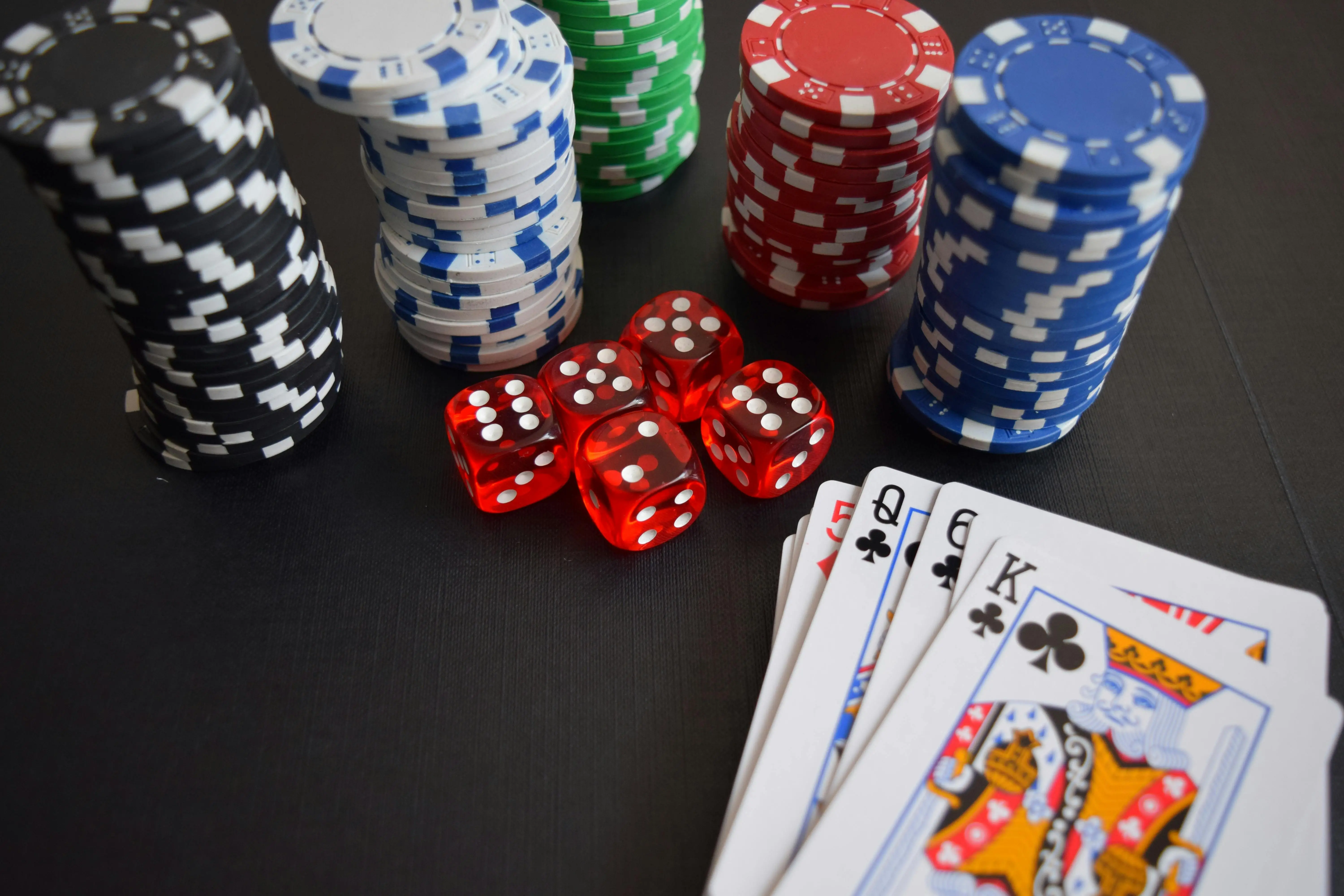
In essence, embracing the reality that winning streaks are not guaranteed can help mitigate losses and foster a more enjoyable gambling experience. Players should remind themselves that gambling is a form of entertainment rather than a reliable source of income. Strategies that emphasize responsible betting and understanding probabilities are far more beneficial than chasing illusory winning streaks, allowing players to enjoy their time in casinos without the pressure of unrealistic expectations.
The Illusion of Control
Many gamblers fall prey to the illusion of control, believing they can influence the outcome of games through their actions or decisions. This is particularly evident in games like craps or blackjack, where players feel their choices directly affect the result. However, the reality is that the outcomes of these games are predominantly determined by chance, and no amount of skill or strategy can change the house edge. This myth can lead to reckless behavior, as players may take unnecessary risks under the belief they can control the game, often leading to significant financial repercussions.
This illusion often manifests in rituals or superstitions players adopt, such as wearing lucky clothing or performing specific actions before placing bets. While these habits can enhance the experience and create a sense of involvement, they ultimately do not impact the likelihood of winning. Acknowledging the role of randomness can lead to more responsible gambling practices, allowing players to focus on enjoyment rather than unproductive rituals. Recognizing that the game’s outcome is largely out of their control can help mitigate the risks associated with gambling.
Realizing that control is an illusion frees players from the burdens of unnecessary pressure and unrealistic expectations. Instead, they can approach gambling as a fun pastime rather than a means to exert control over their luck. Casinos thrive on this myth, which keeps players engaged and betting, but informed players understand the importance of letting go of the need for control. This perspective can lead to a more enjoyable and sustainable gambling experience.
The Belief That Casinos Are Rigged
Another myth commonly circulated among gamblers is the idea that casinos are rigged against players. While it is true that casinos are designed to profit, the notion that they manipulate outcomes through dishonest means is generally unfounded. Reputable casinos operate under strict regulatory frameworks and must adhere to fairness standards. Games are regularly audited to ensure compliance with regulations, providing players with fair and legitimate chances to win. Understanding this can alleviate some of the fears players may have about the integrity of the games.
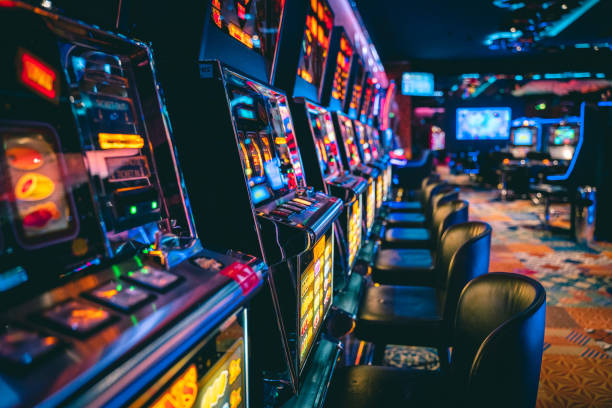
However, the perception of rigged games can stem from personal experiences of loss or frustration. When players lose, they often seek explanations outside their control, attributing their misfortune to foul play rather than the inherent probabilities of the game. This narrative can create distrust, leading to negative perceptions of the entire casino industry. By educating themselves about the mathematical foundations of gaming, players can shift focus from feelings of victimization to a more realistic understanding of the gambling landscape.
Ultimately, while casinos are designed to be profitable, they do not need to resort to manipulation to achieve that goal. Informed players understand the odds and accept them as part of the experience. By recognizing the integrity of reputable establishments, players can enjoy their time without falling prey to mistrust or misconceptions about rigging and unfair practices. This clarity allows players to engage with the games in a more positive and informed manner.
Understanding the Reality of Gambling
It’s essential for players to approach casino gambling with a realistic mindset, equipped with accurate information about how games work. Many myths can cloud judgment, leading to choices that might not align with a fun and responsible gambling experience. Comprehensive understanding allows players to set limits, recognize their motivations, and enjoy gambling as a form of entertainment rather than a source of stress or financial burden. This proactive approach can significantly enhance the overall gambling experience.
Additionally, responsible gambling resources can provide valuable insights into how to engage with casino games healthily. These resources assist in understanding the psychology behind gambling, encouraging informed decision-making and highlighting the importance of setting personal limits. By integrating such approaches, players can foster a more sustainable and enjoyable gambling experience. This knowledge is crucial for anyone looking to navigate the complexities of casino gaming without falling victim to common myths.
Ultimately, it is crucial to be aware of the myths that surround casino gambling and to educate oneself about the truths of the industry. A well-informed player can appreciate the thrill of the games while maintaining a balanced approach, ensuring that their time spent in casinos is both enjoyable and safe. It is through continuous education that one can truly enjoy the beauty of gaming while being aware of its potential risks, fostering a healthier relationship with gambling as a form of entertainment.
 3009121210